Further Media
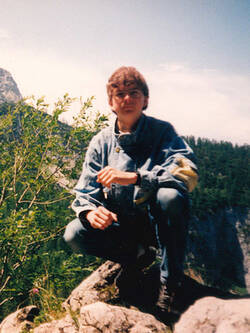

Christian Reichl's switchblade knife is an expression of the profound upheavals and increasing youth violence in the new federal states of unified Germany in the 1990s. The old East German youth organizations had broken down, and teachers suffered a loss of authority. Rapidly rising unemployment was often accompanied by the social decline of parents. Many regions in eastern Germany experienced increasing political extremism among young people, especially on the right.
During this period, Christian Reichl noticed a rising “base aggression level” in his school environment: “It started in sixth grade [...] when politics entered the school. The question we asked each other was, ‘Are you right-wing or left-wing?' Somehow there was nothing inbetween."
The streets were increasingly dominated by right-wing extremist skinhead groups, the so-called “Glatzen”. They regularly clashed violently with the left-wing punk scene. In 1994, 13-year-old Christian Reichl bought a switchblade knife from a local tobacco retailer. It was fashionable among his friends, but also to feel safer on the streets.
In an interview, Christian Hoffmann recalls this feeling of threat: "There really was this monopoly on violence: weaker people were picked on. It wasn't exactly safe."